year
2018
co-author
Paramita Atmodiwirjo
published
award
Best Paper in the International Conference on Architectural Education in Asia (Eduarchsia) 2017
Abstract
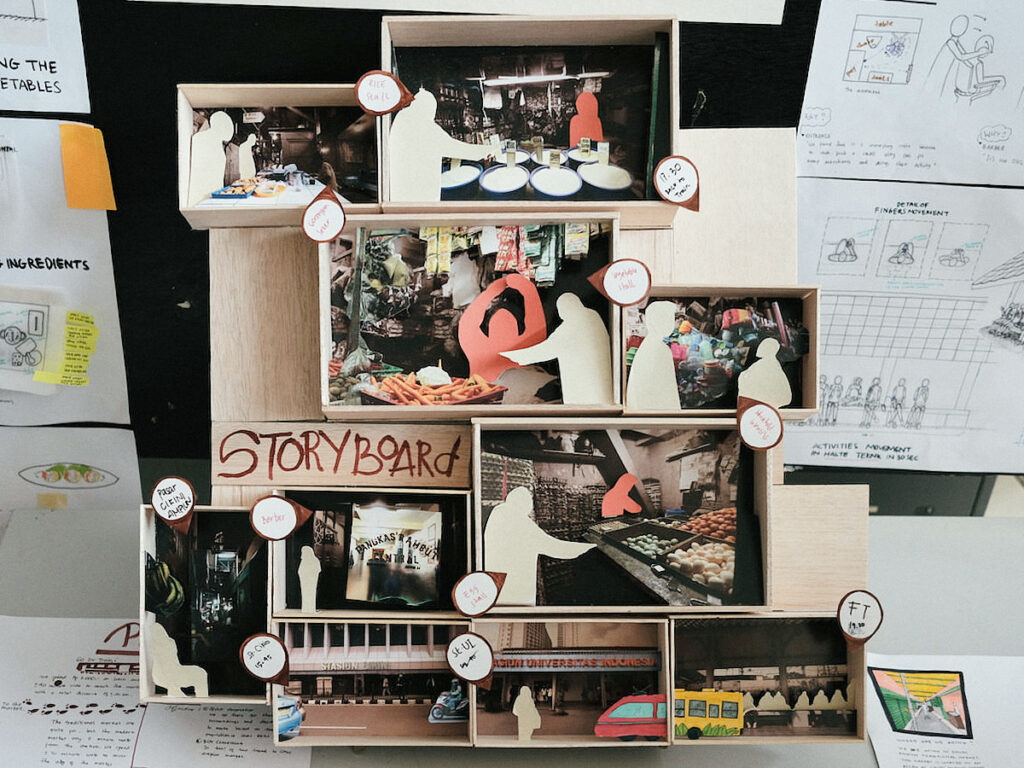
Storyboard as a representation of urban architectural settings
Narrative, as one of the closest aspects to human experience, is sometimes overlooked because of its subtlety in everyday life. The study of its representation, narratology, discusses the manner of selling space and time as a series of interconnected events instead of independent occurrences. It offers an interesting view in rethinking architecture, in particular, its representations. In architectural education, dialogue between the two fields will change the way the next generation of architecture graduates tells their ideas. Current architecture schools should not be looked at as factories that produce only future architects. It is proven by the fact that some, if not most, graduates will have jobs other than professional architects. They may work as set designers, film-makers, artists, or invent their own field. Architecture schools, at their best, are more about how to ensure the students can perform spatial thinking and express their ideas through representation. All of these circumstances lead to the importance of multidisciplinary discourse in architecture education.
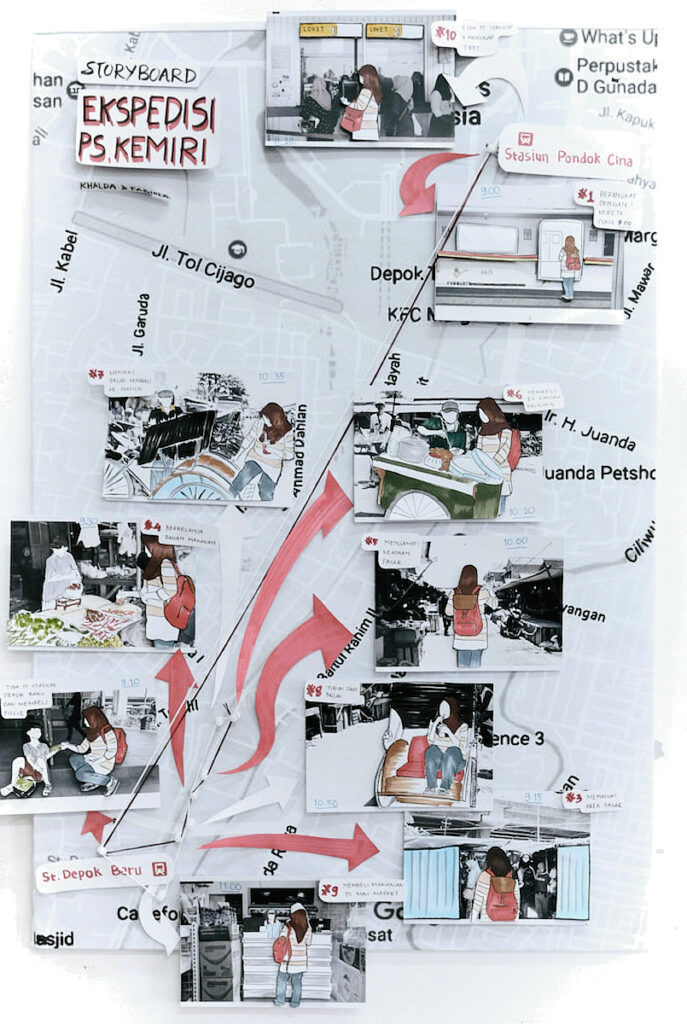
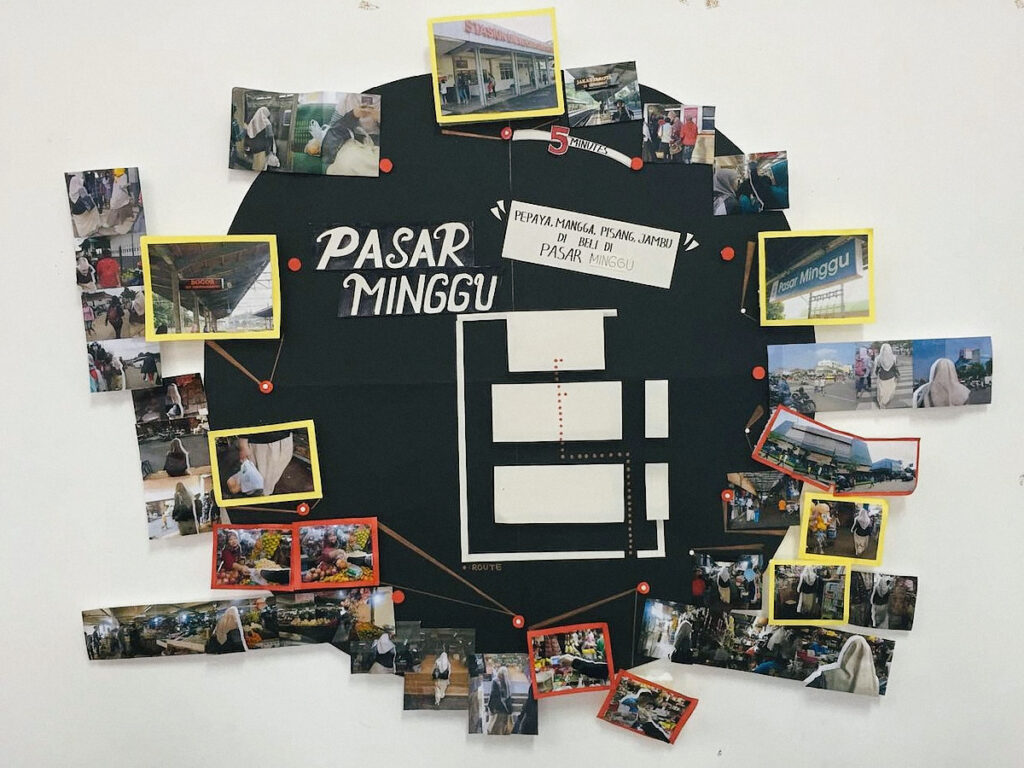
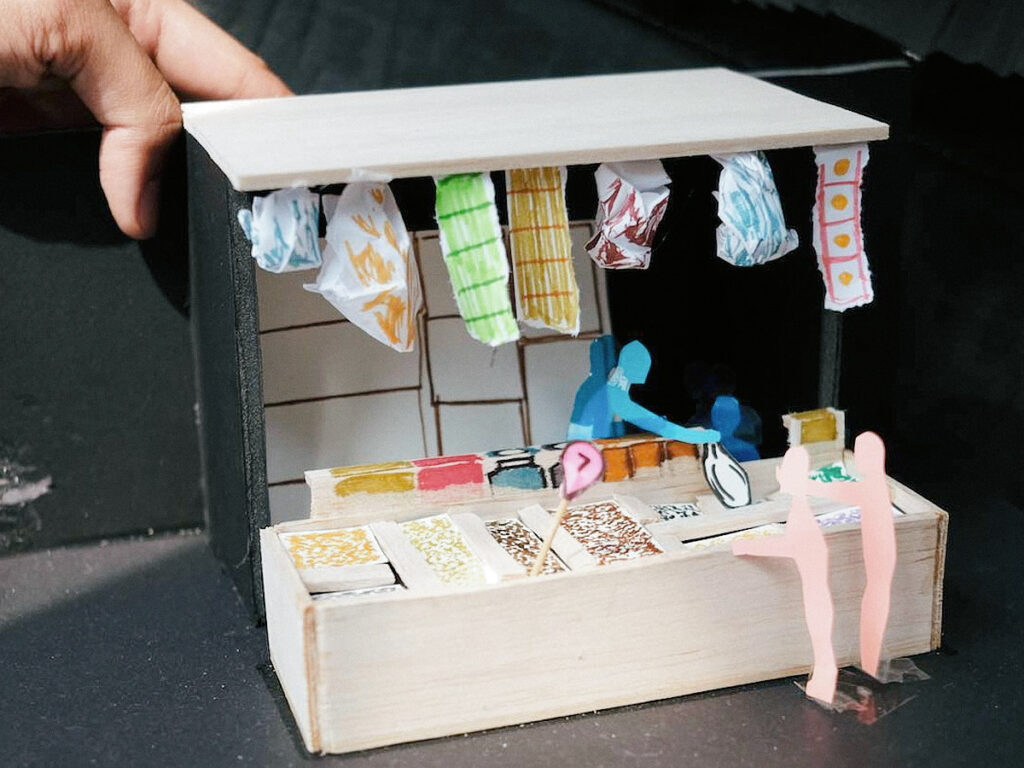
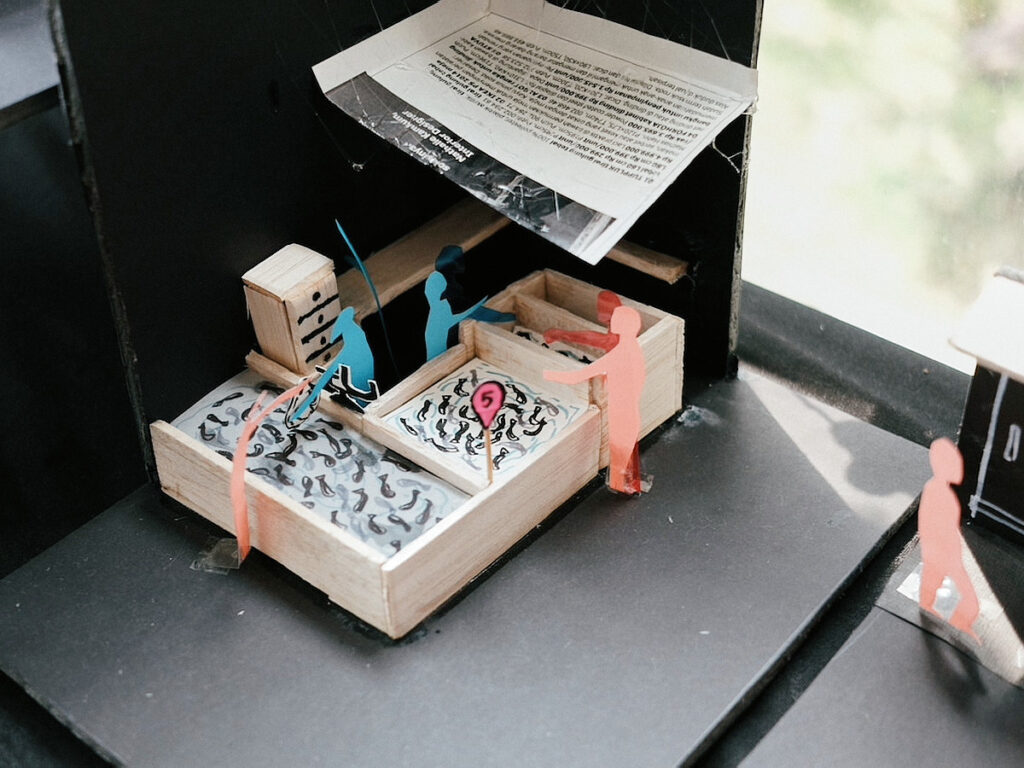
This paper aims to explore the potential of storyboarding practice in the Basic Design 2 studio as part of architectural education at the Universitas Indonesia. Adopting a narrative element, storyboard in this studio is used to read urban architectural settings and retell everyday life events; scene by scene, unfold in space and time, through different kinds of creative representations. By doing this exercise, the students ‘sense of spatial arrangement is developed by their understanding of position and orientation of objects settings. They also learned about how the time works; both in compressed or expanded ways. Decision-making in choosing the key events within the storyboard plays a role in making engaging visuals. In conclusion, storyboarding exercise to represent urban architectural settings will enhance the students ‘sensitivity of space, time, and how their ideas are being told by making a rich, multi-layers of narrative.
Wahid, A. R., & Atmodiwirjo, P. (2018). Storyboard as a representation of urban architectural settings. SHS Web of Conferences, 41, 07004. https://doi.org/10.1051/shsconf/20184107004
The photos included in this paper are student works of Urban Walk Project in Basic Design 2 Studio, class of 2016 at Universitas Indonesia.